What spaced repetition actually is
Spaced repetition is the practice of reviewing material at increasing intervals so each encounter lands near the edge of forgetting. Hermann Ebbinghaus mapped memory decay in the 1880s; modern classroom and lab studies keep confirming the same shape: massed practice feels strong and fades fast; spaced practice feels harder and lasts.
Related on GeekFlux: continue with active recall, best study apps for iPhone, and Exam Prep guide.
Somewhere along the way, “spaced repetition” became a synonym for Anki. That marketing accident left thousands of students believing they must invent cards before they deserve a schedule.
Flashcards are a format — not the method
Cards shine for discrete facts: vocabulary, definitions, anatomy labels. They are awkward for essay themes, multi-step proofs, case analyses, or “everything in Chapter 7.” Forcing those into cards creates busywork and burnout — the famous review backlog.
A revision planner flips the unit of review from card to topic. You still space encounters. You skip the factory.
| Approach | Best for | Setup cost | Risk |
|---|---|---|---|
| Flashcard SRS (Anki, etc.) | High-volume facts | High | Backlog, UI friction |
| Revision planner | Multi-subject exams | Low | Reviews stay too shallow if you only skim |
| Calendar + manual reminders | Simple plans | Medium | Easy to abandon |
Schedule reviews without building a deck
Revu is built as a revision planner — calendar, reminders, notes, and tags — so spaced repetition is a schedule you keep, not a card factory.
View on App Store →How to run spacing without cards
- Break the syllabus into named topics (not “Biology” — “mitosis checkpoints”).
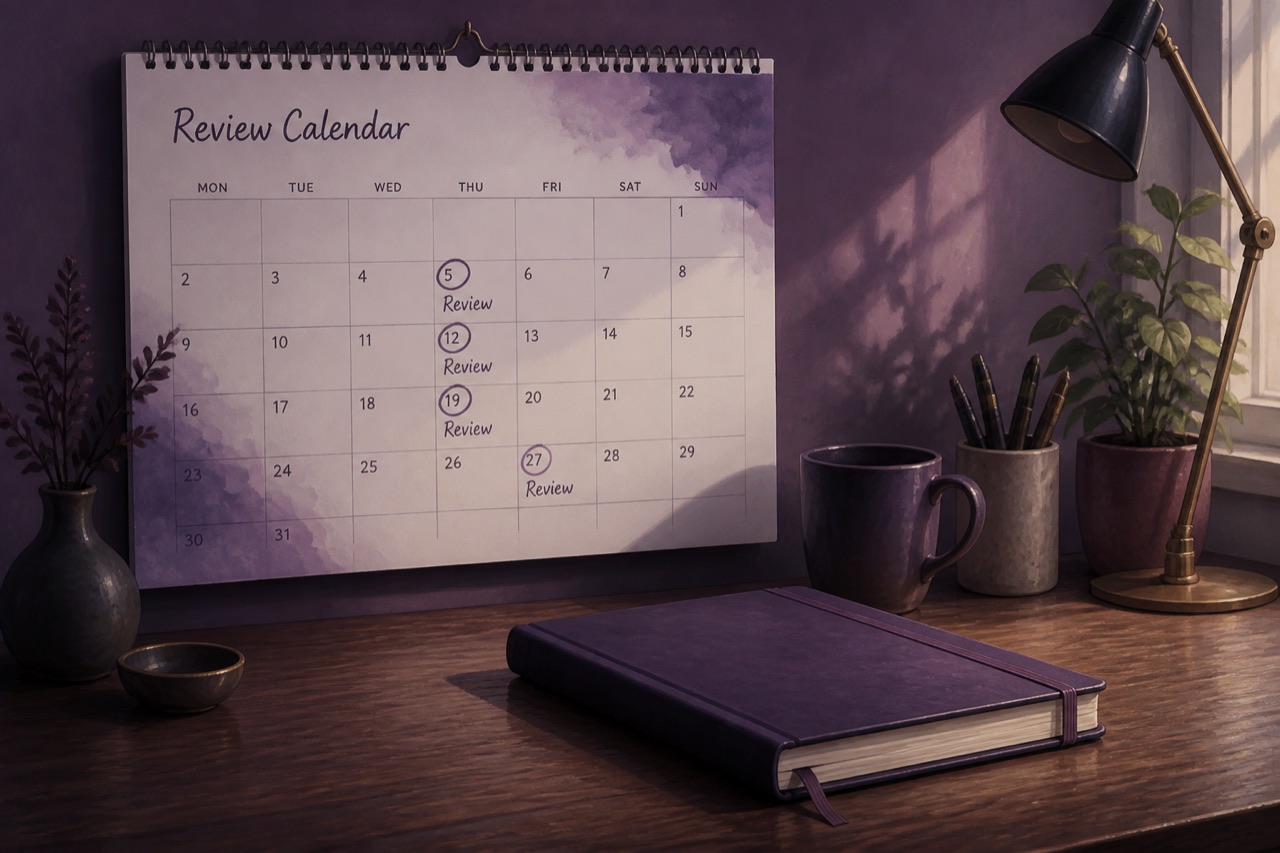
- After first learning, schedule reviews at 1 / 3 / 7 / 14 days.
- In each review: close notes and retrieve for 10–15 minutes, then peek to fill gaps.
- Tag weak topics for shorter intervals; let strong ones breathe.
- In the final two weeks, mix topics (interleaving) instead of neat chapter blocks.
Why this converts better for many students
Anki’s power users are real. So is Anki abandonment. If your barrier is card creation, a planner that reminds you to revise — with notes and images attached to topics — keeps the science and drops the grind.
That is the contrarian bet: timing first, interface second.